
"I can't bend down to put my shoes on without thinking about it first."
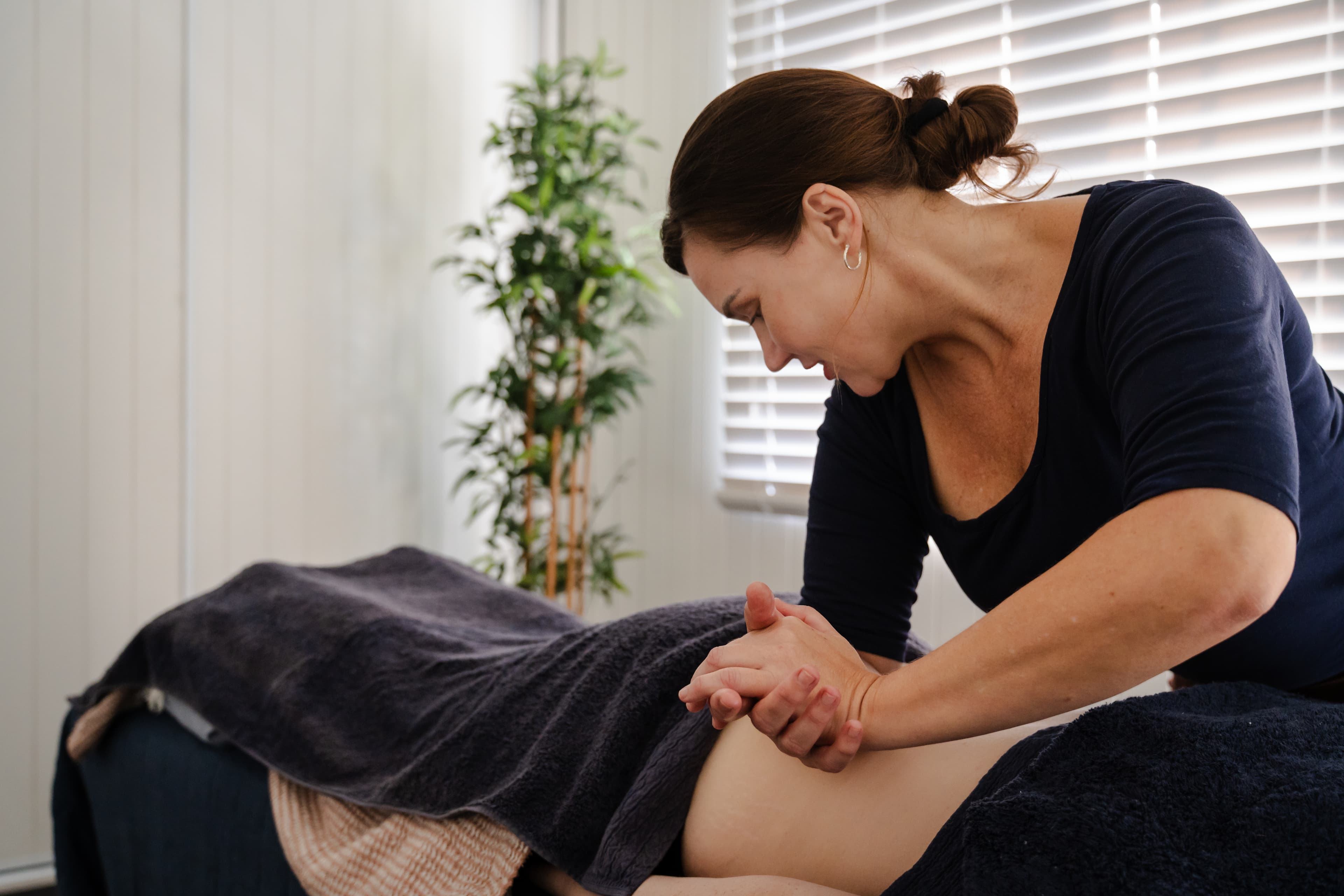
Often booked for
Lower back, sciatica
Session Lengths
60, 90 or 120 min
Price
From $120
Where
Miami, Fri & Sat
Sound familiar?
You've Probably Said One of These.
"It's fine until I've been sitting an hour. Then getting up is the problem."
"It started in my back and now it's down my leg."
"I've had it looked at. Nothing showed up, and it still hurts."
"It starts in my back and shoots down the back of my leg."
"Everyone calls it sciatica, but it’s more a deep ache in my bum."
The Pattern
Why Your Back May Be Doing Something Else's Job.
Your lower back sits between two things that are supposed to move: your hips below it and your mid-back above it. In most people who end up here, neither is doing much of it.
Hips stiffen from sitting. The mid-back stiffens from the same thing. And the lumbar spine, which is built more for stability than for range, ends up supplying the movement that neither of them will.
That is the compensation. Bend to pick something up and the movement that should have come from the hips comes from the low back instead. Do that a few thousand times and the tissue there is carrying load it was never designed to carry.
Sciatica often follows the same logic. The sciatic nerve runs from the low back, through the deep glute, and down the back of the leg. Tension through the glute and the rotators underneath it can irritate that nerve anywhere along the path. Which is why the leg can hurt when the leg is fine.
The back is where you feel it. It is not always where it started, and that is one of the first things worth checking.
What's loading it
Four Things That Usually Show Up.
Sitting, and What it Does to Hips
Hip flexors shorten, glutes stop contributing much. The lower back picks up the difference.
A Mid-Back That Does Not Rotate
If the thoracic spine will not turn, the lumbar spine turns instead. It is not built for it.
Lifting With the Back, Not the Hips
Not a moral failing. Usually just what happens when the hips are restricted.
Old Injuries You Stopped Thinking About
An ankle, a knee, a shoulder. The body works around them and the low back often absorbs the workaround.
One more thing
The Sheet Across Your Back That Connects Everything.
There is a diamond-shaped sheet of fascia across your lower back called the thoracolumbar fascia. Your lats attach into the top of it. Your glutes attach into the bottom.
Which means your arms and your legs are connected through your lower back whether you think about it that way or not. Reach overhead and it loads. Drive through a leg and it loads.
It also means a lower back can be pulled on from either direction. Restriction in a shoulder or a hip does not stay local. If massage has helped before and not held, this layer is one of the first things I would check. Not the only possible reason, but a common one.
Sciatica
Sciatica, or Something Else?
Pain that travels from the lower back into the buttock and down the leg. That’s what most people mean by sciatica, and a lot of the time it’s a different kind of pain with the same name.
Where it's Felt
Nerve Pain A narrow band down the leg, often below the knee and into the foot. Sharp, shooting or electric, sometimes with pins and needles.
Referred Pain A broad, deep ache through the buttock and the back of the thigh, usually above the knee.
Two different kinds of leg pain, and they can happen together.
Where the hands-on work goes
Lower Back, Either Side of the Spine.
Lower Back, Either Side of the Spine.
Glutes.
Deep Hip Muscles Under the Glutes.
Hamstrings.
Work around the nerve’s path, not pressure on the nerve itself.
The surprising part
Not All Leg Pain is the Nerve.
True sciatica comes from an irritated nerve root in the lower back. It tends to be sharp or electric, runs in a narrow line and often reaches below the knee. A deep, spreading ache in the buttock and thigh is more often referred pain from the joints, ligaments and muscles of the lower back and pelvis, including the sacroiliac (SI) joints. The two feel different, behave differently, and can both be there at once.
Where I can help
The Muscles Around the Path.
For referred pain, the glutes, the deep hip muscles, the tissue around the SI joints and the lower back are exactly where hands-on work goes. For true nerve pain, I stay gentle near the irritated area and work the muscles guarding around it. If you have true sciatica, your GP or physio stays your main point of care.
- Lower Back
- Around the SI Joints
- Glutes
- Deep Hip Muscles
- Hamstrings
What the Research Says
Australian GP guidance separates the two by feel and by where they reach. Nerve pain is sharp, shooting and narrow, and often worse below the knee. Referred pain is a deep ache over a wider area, more around the buttock and thigh. True nerve root pain often settles with simple care over a few weeks. There’s little research on massage for sciatica itself, so think of hands-on work as easing the guarding and the referred ache, not treating the nerve.
Before You Book for Sciatica
- Tell me whether the pain goes below your knee, and whether you have pins and needles or numbness. It changes how I work.
- If you’ve had a scan or seen a physio, bring what they told you.
- Numbness in the saddle area, changes to bladder or bowel control, or weakness that’s getting worse need a doctor straight away. The list below has the details.
Before you book
When Bodywork Isn't the Right First Call.
Some things need a different starting point, and it's better to say so plainly.
Go now
Seek Urgent Medical Care Now
Saddle numbness, bladder or bowel changes, rapidly worsening weakness or other emergency symptoms.
See someone first
Speak With a Health Professional First
Significant trauma, worsening weakness, unexplained weight loss, fever, severe night pain or unassessed neurological symptoms.
See a GP First
Leg Symptoms That Have Not Been Assessed
Recommend GP or physiotherapy assessment for pain below the knee, spreading numbness, pins and needles or weakness.
Not Sure
Not Sure? Call Sid
Call or text Sid on 0490 804 159. If bodywork is not the right starting point yet, I’ll tell you.
The Work
Which Treatment, and Why.
Which one leads depends on what the assessment finds. Most sessions use both.
Ready to Start?
You Don’t Need to Know Which Treatment You Need.
Book the time that suits you and tell me what has been happening. We’ll decide where to begin together, and your assessment and hands-on treatment will happen within the same appointment.
Your practitioner
The Low Back Is The One People Have Usually Already had Looked At.
Scans, physio, someone telling them to strengthen their core. Often all of that was reasonable, and often none of it changed much.
What I look at is what the hips and mid-back are doing, because the low back is usually covering for one or both. That is not a scan finding. It is a movement one.
And if it is travelling down the leg, I want to know where along that path it is being irritated, not just that it is.
What Actually Happens in a First Session.
We start with movement, not the table. How you bend, how you rotate, what your hips do when you hinge forward. About fifteen minutes, and it tells us where to work.
Then hands-on through the glutes, hips, the fascia across the low back and the muscles either side of the spine. Slower than most people expect.
Afterwards you get a plain description of what was found and what is worth doing next. Mild soreness for a day or two is common, similar to after training.
Client experiences
In Their Words.
Desk Worker • Neck and Shoulders
"I booked in with Sid at Seabreeze Bodywork & Massage Mermaid Water as I've been struggling with tight shoulders, neck and lower back pain for some time. Sid took the time to understand my concerns and tailored the treatment to my needs. The treatment was both relaxing and effective. I left feeling refreshed, with noticeably less discomfort and much more movement than before my appointment. I would definitely return and recommend her services to others."
Jemma G.Brisbane
Book a Session
Choose Your Session Length.
All three are open to new clients. If you're not sure, take the 90.
Every first session includes a movement assessment, whatever length you book.whatever length you book. The longer the session, the more hands-on time you get after it.
Move Better. Feel Better. Stay That Way.
Visit Seabreeze
Your Appointment in Miami.
You’ll find me at the Miami studio on Fridays and Saturdays. Choose your session length and an available time in the booking calendar.
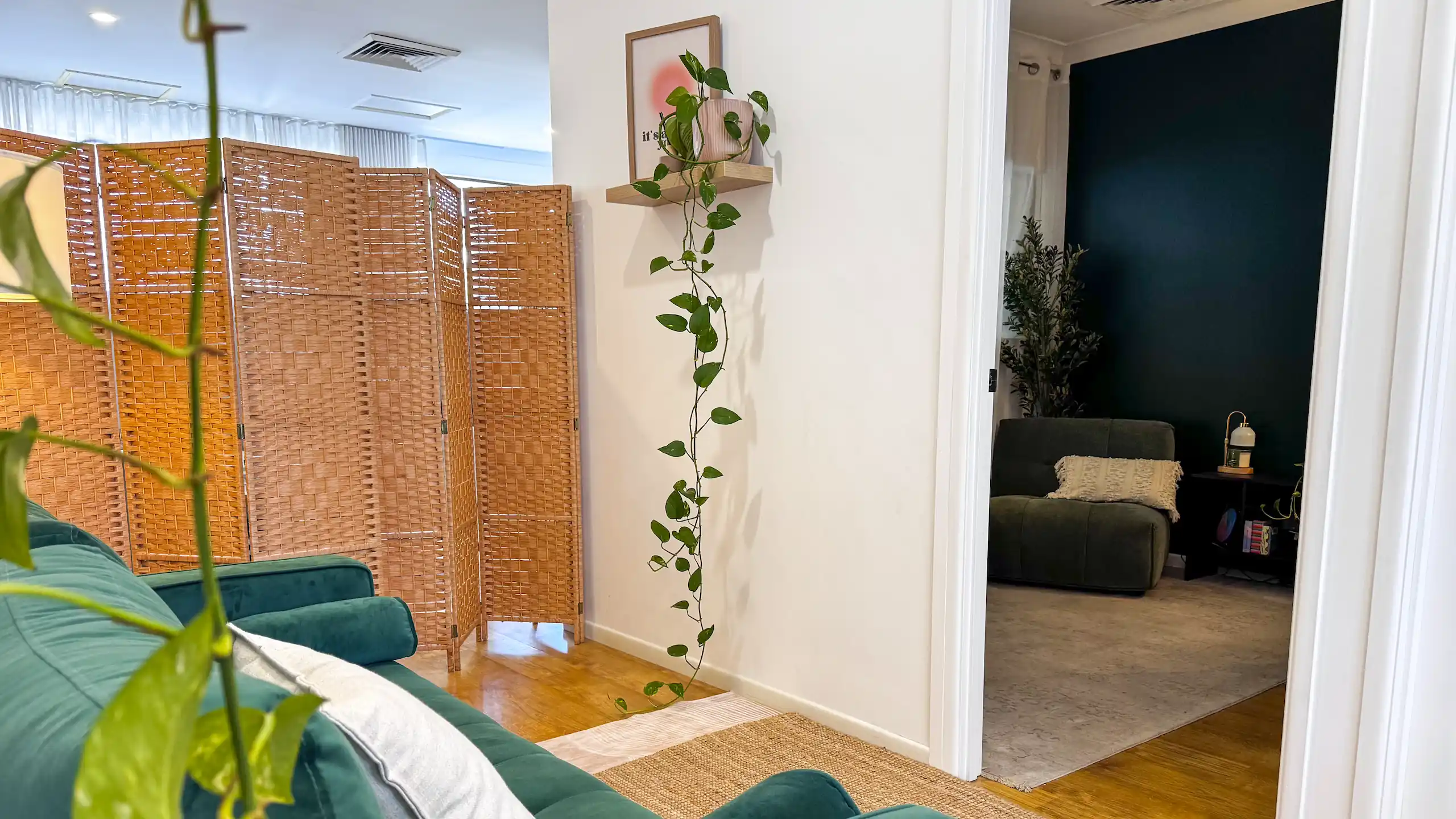
Miami
11/2098 Gold Coast Hwy Miami QLD 4220
About a 4 minute walk from both Miami and Miami North tram stations
Fri7am to 7pm
Sat9am to 1pm
Closed Sunday to Thursday
0490 804 159Women and men welcomeBy appointment only
Miami
11/2098 Gold Coast Hwy Miami QLD 4220
About a 4 minute walk from both Miami and Miami North tram stations
Fri7am to 7pm
Sat9am to 1pm
Closed Sunday to Thursday
0490 804 159
Sid answers directly
Women and men welcome
At both locations
By appointment only
Book online or call
Common Questions
Before You Book.
Lower back pain can recur for many reasons. In some people, limited movement or ongoing tension through the hips, pelvis or mid-back may contribute to how load is shared. The assessment looks at how you are moving rather than assuming the sore area is the whole problem.
Bodywork may help reduce muscular tension around the lower back, hips and glutes, which can make movement more comfortable for some people. Sciatica can have different causes, so the assessment helps determine whether bodywork is appropriate for what you are experiencing.
No. Pain can be present even when imaging does not identify a clear structural cause. A scan is only one part of the picture, so symptoms, movement and clinical assessment still matter. Speak with your GP or physiotherapist if you are concerned about persistent or worsening pain.
It depends on your symptoms and what aggravates them. You may be able to modify training rather than stop completely, but new, severe or worsening symptoms should be assessed by an appropriate health professional.
Pressure is adjusted with your feedback. The aim is not to make the treatment unnecessarily painful, and you can ask for lighter pressure, a different position, a pause or an end to treatment at any time.
It may be, but leg pain can have several causes. Sciatica commonly involves irritation of a nerve in the lower back and may include shooting pain, tingling, numbness or weakness into the leg. Other muscle, joint and referred-pain patterns can feel similar, so a GP or physiotherapist can help confirm the cause.
Tension or sensitivity through the gluteal muscles can contribute to buttock and thigh pain that may feel similar to sciatica. That is not necessarily the same as pain caused by irritation of a spinal nerve, and the two can sometimes overlap.
It can be appropriate in some cases, depending on your symptoms and the cause. Pressure and positioning should be adjusted carefully. If you have numbness around the saddle area, changes to bladder or bowel control, or worsening weakness, seek urgent medical assessment before having bodywork.
Related conditions
Pain is Often Interconnected.
Pain is often interconnected. You may also find these specialised treatment areas relevant to your recovery.
Treatments used here
Often connected
Start With What May Be Contributing
Book a session and tell me what has been happening. We’ll look at how your back, hips and surrounding areas are moving, agree on a sensible starting point and begin the hands-on work within the same appointment.