Deep Tissue
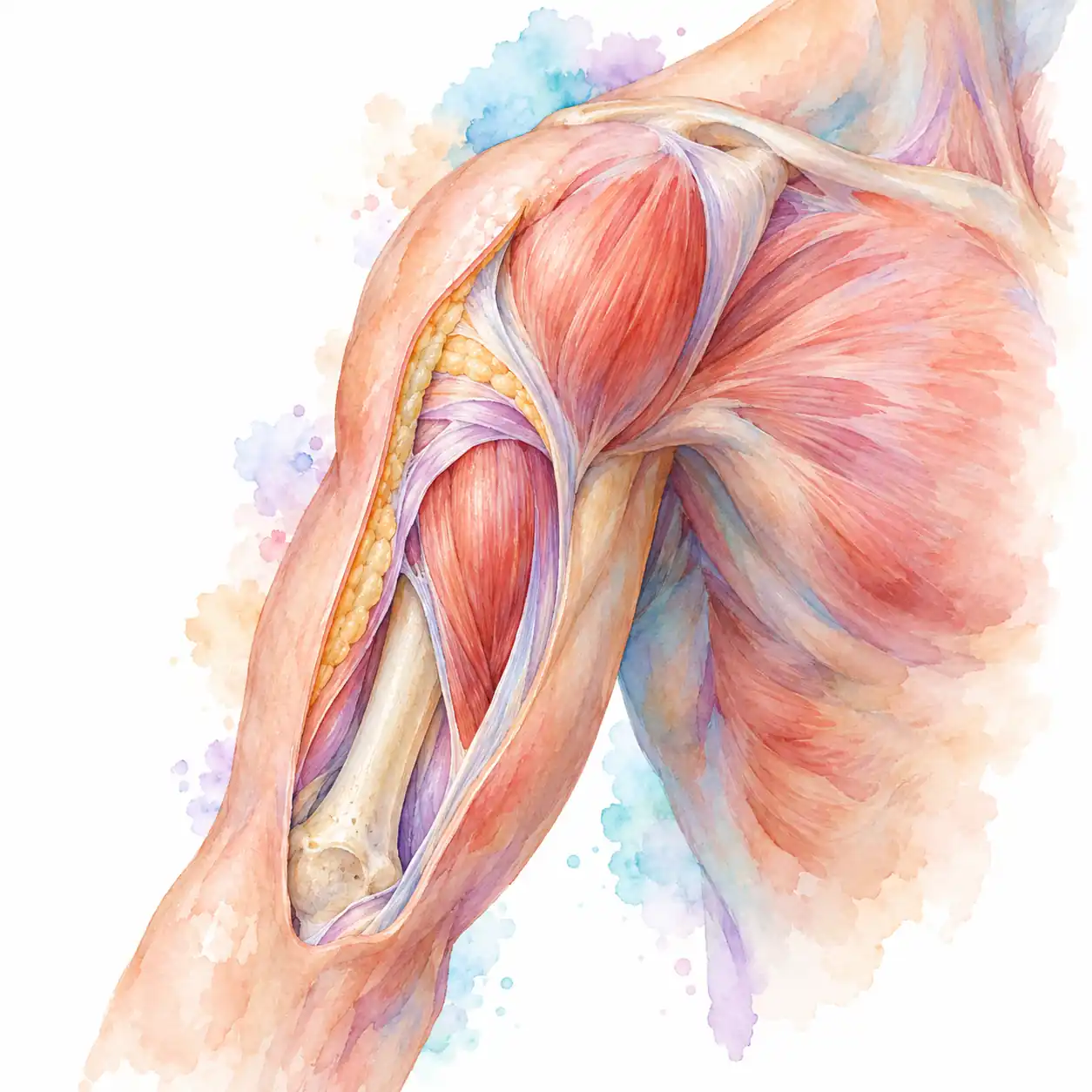
Firmer, slower pressure into the muscle layers and the tissue around them.
Learn More
Every Visit
Starts with an assessment
Usually Use
Two techniques together
Session Lengths
60, 90 or 120 min
Price
From $120
What’s Available
Most sessions draw on more than one approach. These pages are starting points, not a menu you have to choose perfectly. Explore the option that sounds closest, or book the time that suits you and we’ll work out the approach together.
Quick guide
A flexible starting point when more than one area is involved or you’re not sure which option fits. We’ll assess first and shape the session from there.
Suggested treatment: Deep Tissue Massage
Start with
Firmer, slower pressure, built up gradually, at a pressure you choose.
Suggested first session: Suggested: Standard Session, 90 min
Where: Miami, Fri & Sat
Start with
Slow, sustained holds that work with the fascia around and between muscles.
Suggested first session: Suggested: Standard Session, 90 min
Where: Miami, Fri & Sat
Start with
Side-lying and supported, with pressure adapted to each stage.
Suggested first session: Suggested: Standard Session, 90 min
Where: Miami, Fri & Sat
Start with
Planned around what you’re training for, and when.
Suggested first session: Suggested: Focused Session, 60 min
Where: Miami, Fri & Sat
Start with
Calf, ankle and foot, alongside your podiatrist or physio.
Suggested first session: Suggested: Focused Session, 60 min
Where: Miami, Fri & Sat
Start with
Book any length. The assessment works out what you need, and the session is built around it.
Suggested first session: Suggested: Standard Session, 90 min
Where: Miami, Fri & Sat
Tell me what has been happening, what you’d like to do more comfortably and what you’ve tried so far. We’ll choose a sensible place to begin together.
Where the Work Happens
Deep tissue massage and myofascial release are often spoken about as if they are competing choices. In practice, they can work together at different depths and different speeds. The important question is not which label sounds best. It is what feels restricted, how you are moving and what kind of contact your body responds to.
Where It Sits
The Layers, Pulled Apart
Tap a layer name to highlight it.
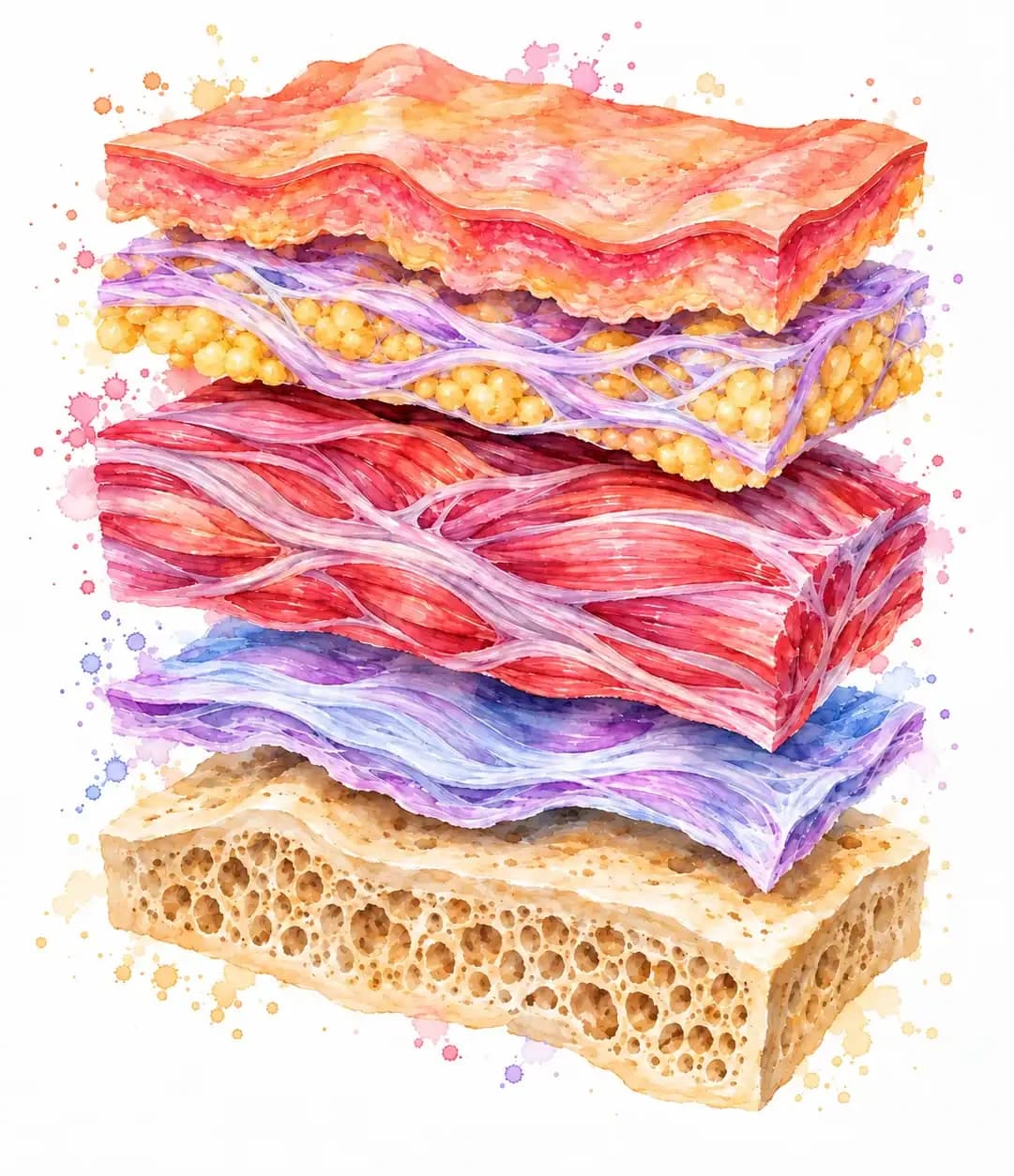
Firmer, slower pressure into the muscle layers and the tissue around them.
Learn MoreSlow, sustained contact working with the fascia that wraps and links them.
Learn MoreMost sessions use both, at different depths and different speeds. The assessment decides how much of each.
What a Session Involves
Pressure is a guide, not a target. You set the limit in every session, and it can change at any point. The goal is not to tolerate the most pressure; it is to find what your body responds to.
Pressure: No pressure
Pressure: Gentle
Pressure: Focused
Pressure: Firm
Pressure is shown as a guide. You set it in every session, and you can ask for lighter pressure, a different position, a pause or an end to treatment at any time.
Every First Visit
Every session includes time to talk, a relevant movement assessment and hands-on work chosen with you. The balance depends on the session length you book, but the process always starts with listening and clear communication.
Step 1
Tell me what has been happening, what you want help with and anything about your health that may affect treatment.
You can bring questions, describe what has or has not helped before and tell me what you would like to feel more comfortable doing.
Step 2
I may ask you to make a few comfortable movements related to your concern.
I’ll explain what I’m noticing as we go. This is not a medical diagnosis; it helps us decide where to begin with bodywork.
Step 3
Depending on what we discuss, treatment may include myofascial release, deep tissue techniques or a combination.
We agree on positioning, draping and pressure first. You can ask for a change, pause or stop at any time.
Step 4
We review how you feel, what you noticed and what a sensible next step might be.
That may be another session, time to see how you respond or support from another health professional.
Book a Session
All three are open to new clients. Every first visit includes an assessment within your booked time.
No lock-ins. Just a clear plan from your first session. Limited new client appointments availableLimited new client appointments available
Book one appointment at a time. There is no required progression between session lengths.
No lock-ins, no packages. Sessions are private pay. HICAPS and health fund rebates aren’t available.
Before You Book
Many people come for persistent or recurring discomfort, tension or movement restrictions. Some symptoms need medical assessment first. If you are unsure, contact me before booking.
Get Urgent Medical Help
Do not wait for a studio reply if you have chest pain, a sudden severe headache with concerning symptoms, new weakness or numbness, loss of bladder or bowel control, or a suspected fracture.
Speak with an Appropriate Health Professional First
Arrange medical assessment for a new injury, symptoms that are getting worse, unexplained swelling, pain that wakes you at night, fever or feeling unwell alongside pain, or symptoms that have not been assessed.
Ask Before You Book
Call or text Sid on 0490 804 159. If bodywork is not the right fit yet, I’ll tell you.
Client experiences
Desk Worker • Neck and Shoulders
"I booked in with Sid at Seabreeze Bodywork & Massage Mermaid Water as I've been struggling with tight shoulders, neck and lower back pain for some time. Sid took the time to understand my concerns and tailored the treatment to my needs. The treatment was both relaxing and effective. I left feeling refreshed, with noticeably less discomfort and much more movement than before my appointment. I would definitely return and recommend her services to others."
Jemma G.Brisbane
Chronic Pain • Hip & Glute
"This was the best massage I’ve had in years. Sid has magic hands! She’s clearly so passionate and skilled at what she does, and really listened to what my body needed and what I was comfortable with. I’ve had ongoing mobility and range-of-motion issues after a hip injury, and I was honestly shocked at how much better I felt after just one session."
Jodie M.Sunshine Coast
Baseballer • Back to playing, brace-free
"Seabreeze Bodywork took a personalised approach with their bodywork and took the time to delve into what the bigger issue was, rather than just a short term ‘quick fix’. After six sessions, I have full utilisation of my arm again from my tennis elbow, am no longer wearing a brace and am pain free."
Carly W.Gold Coast
Visit Seabreeze
You’ll find me at the Miami studio on Fridays and Saturdays. Choose your session length and an available time in the booking calendar.
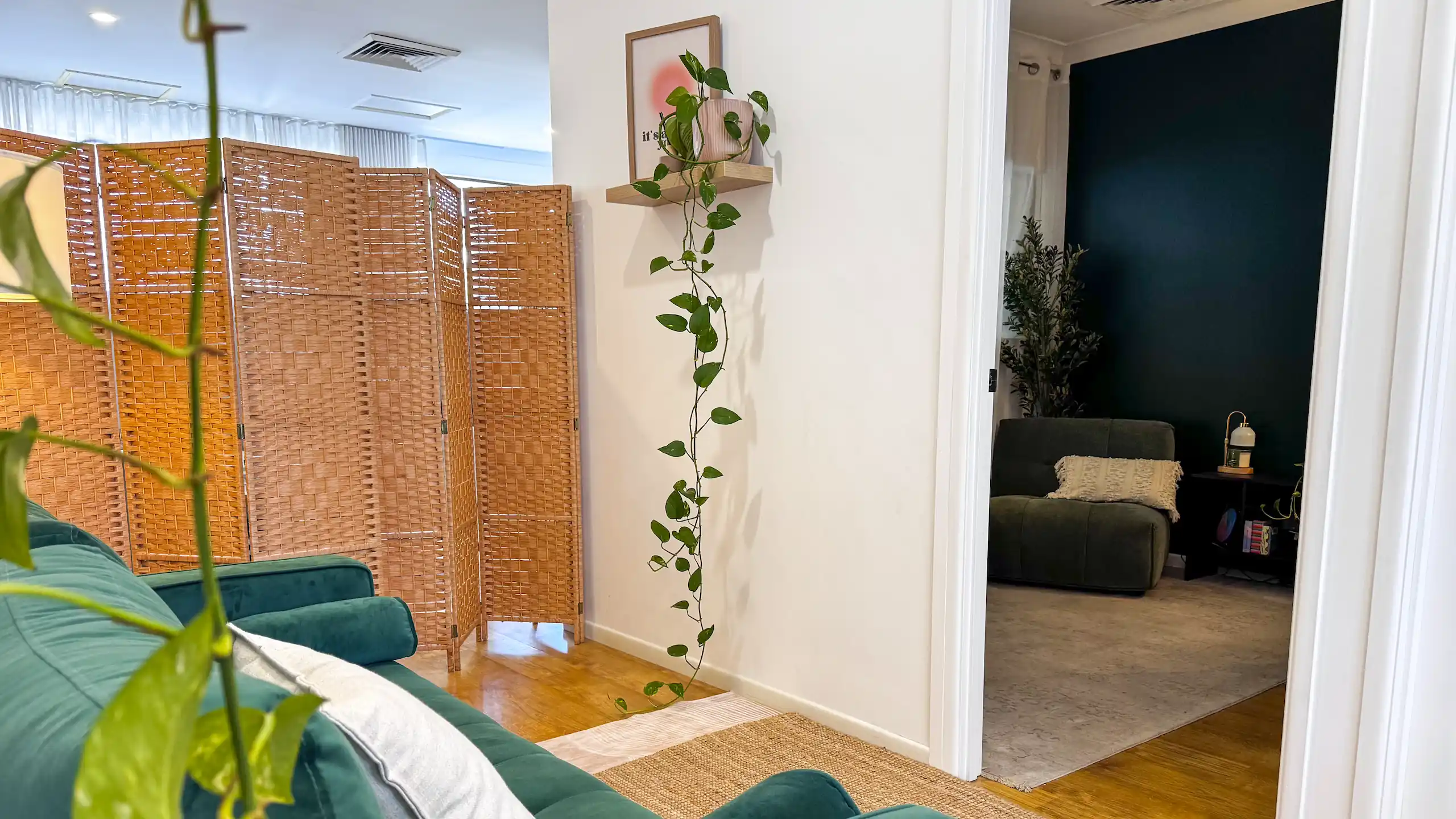
11/2098 Gold Coast Hwy Miami QLD 4220
About a 4 minute walk from both Miami and Miami North tram stations
Closed Sunday to Thursday
11/2098 Gold Coast Hwy Miami QLD 4220
About a 4 minute walk from both Miami and Miami North tram stations
Closed Sunday to Thursday
0490 804 159
Sid answers directly
Women and men welcome
At both locations
By appointment only
Book online or call
Common Questions
No. Choose the session length that suits you and tell me what has been happening. We’ll decide on the approach together.
The 90-minute Standard Session is a useful starting point for most new clients. A 60-minute session can work well for one clear priority, while 120 minutes allows more time or several areas.
Yes. The Focused Session is a valid starting point for a new client. It includes time to talk, an assessment and hands-on treatment centred on one main concern.
No. Massage generally works on muscle. This works on the fascia and the movement pattern around it, and every first session starts with an assessment rather than going straight to the table.
Pressure is adjusted with your feedback. Tell me if something feels too strong, uncomfortable or worrying. You can ask for lighter pressure, a different position, a pause or an end to treatment at any time.
Yes. Pregnancy-adapted bodywork is available. If you have any pregnancy-related concerns or medical advice to follow, discuss them with your care provider before booking.
It depends on the surgery and your stage of recovery. Check with your surgeon or GP first, then contact me before booking if you are unsure.
There is no set number and no packages. You book one session at a time. After the assessment you'll get a realistic view of what's likely, rather than a plan sold to you up front.
Wear comfortable clothing that allows you to move for the assessment. Before hands-on treatment, I’ll explain positioning and draping and we’ll agree on what you are comfortable with.
No. HICAPS and health fund rebates aren’t available, so please plan to pay the session fee in full.
At the Miami studio, 11/2098 Gold Coast Hwy, on Fridays and Saturdays. Women and men are welcome, and your confirmation includes the address, parking and arrival details.
Choose the page that sounds closest to your experience, or book a session and tell me what has been happening.