
"By 3pm my shoulders are up around my ears."

Often Booked For
Neck, shoulders, headaches
Session Lengths
60, 90 or 120 min
Price
From $120
Health Funds
Private pay only
Sound familiar?
You've Probably Said One of These.
"I get a headache most days, and I've stopped noticing that isn't normal."
"I can't check my blind spot without turning my whole body."
"I've had massages. Great for two days, then it's back."
"Every cold turns into a week of facial pressure."
"My forehead feels heavy, like it’s full of sand."
The Pattern
Your Headache Probably isn't Starting in Your Head.
Four small muscles sit at the base of your skull, underneath the ones you can feel. They are called the suboccipitals, and their job is fine control: the small constant adjustments your head makes to keep your eyes level while the rest of you moves.
Hold a screen position for a few hours and those muscles stop adjusting and start bracing. They are not built for that. Sustained tension there is one of the better-described sources of pain referring forward into the head, which is why it can turn up around the temples, behind the eyes, or as a band across the forehead.
So a headache can be a neck problem wearing a disguise. And it is why treating the head, or taking something for it, often only buys a few hours.
The same thing is happening further down. Upper trapezius and levator scapulae take the load when the shoulders sit forward. The fascia connecting them through to the thoracic spine loses its glide, and restriction in one part starts pulling on the next.
That is one common pattern. Not always the sore spot itself, but sometimes part of what is keeping it irritated.
What's loading it
Four Things That Often Add to the Load.
Sustained Screen Posture
Not bad posture so much as one posture, held too long. The tissue adapts to the shape you spend the most hours in.
Stress Held in the Upper Body
Shoulders rise under stress and often do not come back down. Most people do not notice until someone puts a hand on them.
Jaw Clenching
Often at night, often unnoticed. The jaw connects into the same tension system as the neck.
Carrying on One Side
A toddler on one hip, a bag on one shoulder, a baby held to feed. Asymmetric load builds asymmetric restriction.
One more thing
Your Jaw is Part of This.
Most people never connect the two, but the jaw and the neck share a tension system. The masseter, the muscle you can feel bulge when you clench, sits directly above the neck muscles doing the bracing.
Clenching or grinding can keep the jaw and surrounding muscles working through the night. If you regularly wake with jaw tension, neck tightness or headaches, mention it during your appointment. It may change what we consider, but recurring morning headaches can have other causes and are worth discussing with your GP.
Sinus pressure
Sinus Pressure, or Something Else?
Pressure behind the cheeks and eyes, a heavy forehead, a head that feels worse when you bend forward. That’s what most people mean by a sinus headache.
Where the Pressure is Felt
Frontal. Above the eyebrows, in the forehead.
Ethmoid. Between the eyes, behind the bridge of the nose.
Maxillary. In the cheekbones, either side of the nose. The largest.
Sphenoid. Deep behind the nose, so it is drawn dashed.
Air-filled spaces in the facial bones. Each is a pair, one either side.
Where the hands-on work goes
Brow and Forehead.
Cheekbones.
Temples.
Jaw.
Base of the Skull.
Neck and Upper Shoulders.
Gentle work on the soft tissue around the sinuses, not inside them.
The surprising part
Most “Sinus” Headaches Aren’t.
When researchers have looked closely at people who believed they had sinus headaches, most turned out to have migraine or tension-type headaches. Congestion and facial pressure can be part of a migraine too. If your “sinus” headaches keep coming back without a cold, it’s worth a GP appointment to find out what they really are.
Where I Can Help
Face, Jaw and Neck.
Either way, the work overlaps with everything above. I can include gentle work across the face, around the cheekbones and brow, along the jaw and into the base of the skull and the neck, at a pace that suits a congested head. Many people find it eases that blocked, heavy feeling for a while.
- Forehead and brow
- Around the cheekbones
- Jaw and temples
- Base of the skull
- Neck and upper shoulders
What the Research Says
Only a few small studies have looked at facial massage for sinus symptoms. They found it eased congestion, tenderness and headache severity in the short term. There’s no good evidence that it clears an infection or that the effect lasts, so think of it as relief alongside your usual care, not instead of it.
Before You Book for Sinus Pressure
- If you have a cold or a fever right now, wait until you’re well. A session isn’t worth it while you’re unwell.
- Lying face down can make congestion feel worse, so we’ll use other positions for parts of the session.
- Fever, swelling around the eye, or symptoms that have lasted more than about ten days need a GP first. The list below has the details.
Before you book
When Bodywork Isn't the Right First Call.
Some things need a different starting point.
Go now
Call 000
Sudden severe headache, confusion, vision changes, weakness, neck stiffness or other serious accompanying symptoms.
Same Day
Seek Same-Day Medical Advice
Facial or sinus pain with swelling or redness around the eye, altered vision, high fever or confusion.
See Someone First
Speak With a Health Professional First
New neurological symptoms, recent trauma, changing headaches or persistent/worsening sinus symptoms.
See a GP First
Sinus Symptoms that Drag On
Talk to a GP before booking if sinus symptoms have lasted more than about ten days, got worse after starting to improve, or keep coming back.
Not Sure
Not Sure? Call Sid
Call or text Sid on 0490 804 159. If bodywork is not the right starting point yet, I’ll tell you.
The Work
Which Treatment, and Why.
Which approach leads depends on what we discuss and what the assessment suggests. Most sessions use both.
Ready to Start?
You Don’t Need to Know Which Treatment You Need.
Book the time that suits you and tell me what has been happening. We’ll decide where to begin together, and your assessment and hands-on treatment will happen within the same appointment.
Your Practitioner
The Upper Body is What I See Most.
Desk workers, students, mothers carrying a toddler on one hip, women who clench their jaw at night and have no idea they are doing it.
What they usually have in common is being told it is posture, and having tried to sit up straighter. That rarely does much on its own, because the tissue is already holding the shape.
I start with an assessment because the sore spot and the source are often different places. On the neck, they nearly always are.
What Actually Happens in a First Session.
We start with movement, not the table. How far your neck turns each way, what your shoulders do when you raise your arms, where it catches. About fifteen minutes, and it tells us where to work.
Then hands-on. For the neck this is slower than most people expect. Deep does not mean fast, and it should not mean bracing through it. You will be asked for feedback throughout and you can say stop at any point.
Afterwards you get a plain description of what was found and what is worth doing next. Mild soreness for a day or two is common, similar to after training.
Client experiences
In Their Words.
Desk Worker • Neck and Shoulders
"I booked in with Sid at Seabreeze Bodywork & Massage Mermaid Water as I've been struggling with tight shoulders, neck and lower back pain for some time. Sid took the time to understand my concerns and tailored the treatment to my needs. The treatment was both relaxing and effective. I left feeling refreshed, with noticeably less discomfort and much more movement than before my appointment. I would definitely return and recommend her services to others."
Jemma G.Brisbane
Desk Worker • Shoulder & Neck
"I booked an in home massage with seabreeze on Monday. The massage was both relaxing and therapeutic. Sid helped elevate some shoulder pain I had. I highly recommend her services and will definitely be booking again"
Damien C.Brisbane
Book a Session
Choose your Session Length.
All three are open to new clients. If you're not sure, take the 90 minute Full Session.
Every first session includes a movement assessment, whatever length you book.whatever length you book. The longer the session, the more hands-on time you get after it.
Move Better. Feel Better. Stay That Way.
No lock-ins, no packages. Sessions are private-pay. Seabreeze is not a HICAPS provider, so check with your health fund about claiming from a receipt.
Visit Seabreeze
Your Appointment in Miami.
You’ll find me at the Miami studio on Fridays and Saturdays. Choose your session length and an available time in the booking calendar.
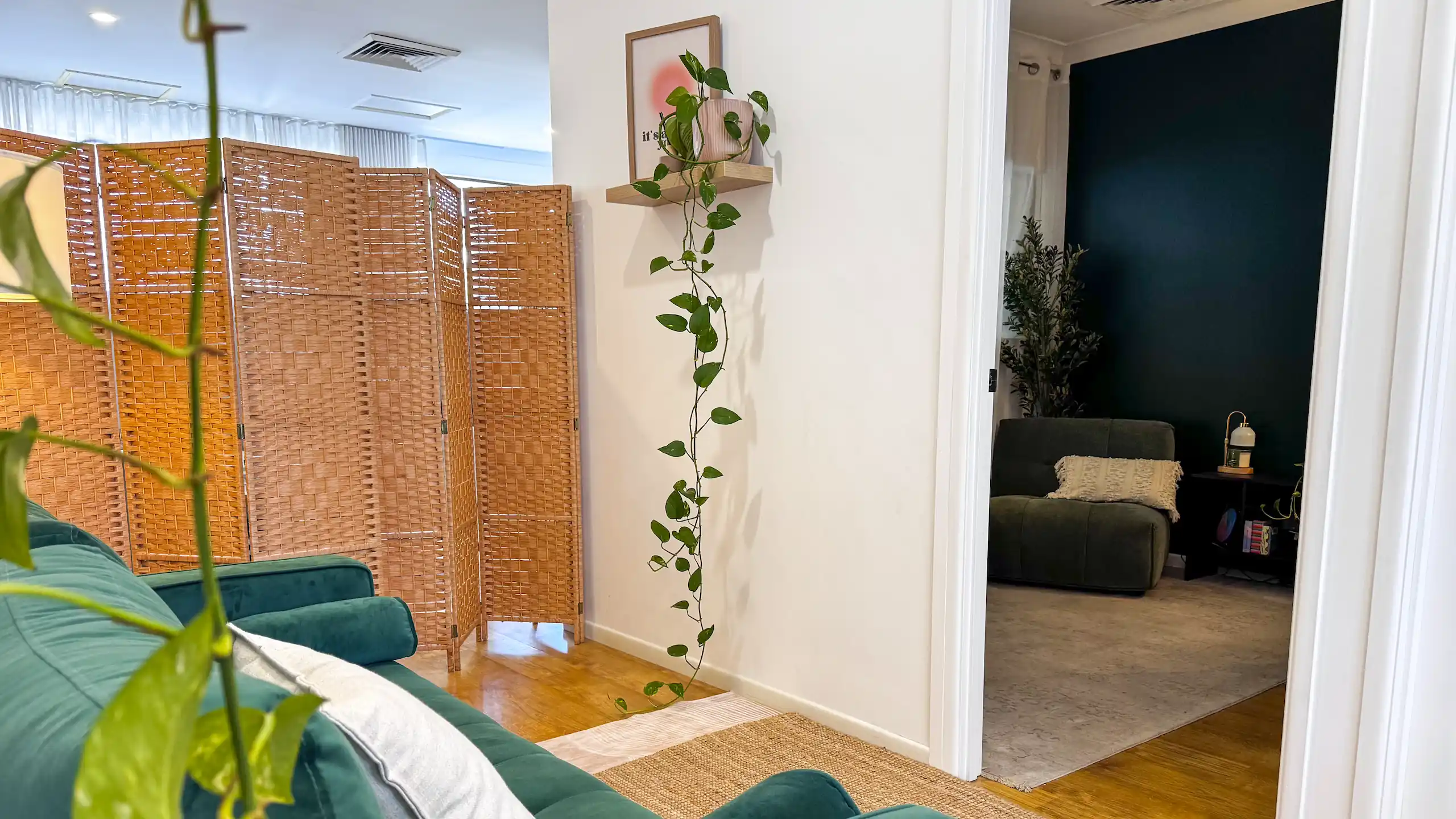
Miami
11/2098 Gold Coast Hwy Miami QLD 4220
About a 4 minute walk from both Miami and Miami North tram stations
Fri7am to 7pm
Sat9am to 1pm
Closed Sunday to Thursday
0490 804 159Women and men welcomeBy appointment only
Miami
11/2098 Gold Coast Hwy Miami QLD 4220
About a 4 minute walk from both Miami and Miami North tram stations
Fri7am to 7pm
Sat9am to 1pm
Closed Sunday to Thursday
0490 804 159
Sid answers directly
Women and men welcome
At both locations
By appointment only
Book online or call
Common Questions
Before You Book.
Yes. Referred pain from the neck and upper back into the head is well described, and it is one of the more common patterns seen here.
Usually because the tissue holding the pattern was not part of the treatment. Relief that fades after a couple of days is the classic sign of that.
Treatment can ease tension and improve how the upper body moves, which makes a different posture easier to hold. It will not do the holding for you.
Often, yes. Clenching loads the same system, and jaw and neck tension tend to travel together.
It should not. Neck work is slower and lighter than most people expect, and you will be asked for feedback throughout.
It can ease the blocked, heavy feeling for a while. Only a few small studies have looked at it, and they found short-term relief of congestion, tenderness and headache. It doesn’t clear an infection, and it isn’t a substitute for seeing your GP.
Often it isn’t. Most headaches people put down to their sinuses turn out to be migraine or tension-type headaches, and those can come with congestion and facial pressure too. If yours keep coming back, see your GP to find out which kind you have.
Not while you’re unwell or have a fever. Lingering pressure after a cold is a different story. If symptoms have lasted more than about ten days or are getting worse, see your GP first.
Tension-type headaches often come with tight neck, shoulder and jaw muscles, which is exactly where this work goes. Research suggests massage may help some people, though the studies are small. If your headaches change, get worse or come with other symptoms, see your GP.
It can happen, especially after deeper work around the neck. It usually settles with water, food and rest. Tell me at your next session so we can adjust. A severe, sudden or unusual headache needs medical advice.
Related conditions
Pain is Often Interconnected.
Pain is often interconnected. You may also find these specialised treatment areas relevant to your recovery.
Treatments used here
Often connected
Start With What May Be Contributing.
Book a session and tell me what has been happening. We’ll look at how your neck and shoulders are moving, agree on a sensible starting point and begin the hands-on work within the same appointment.